
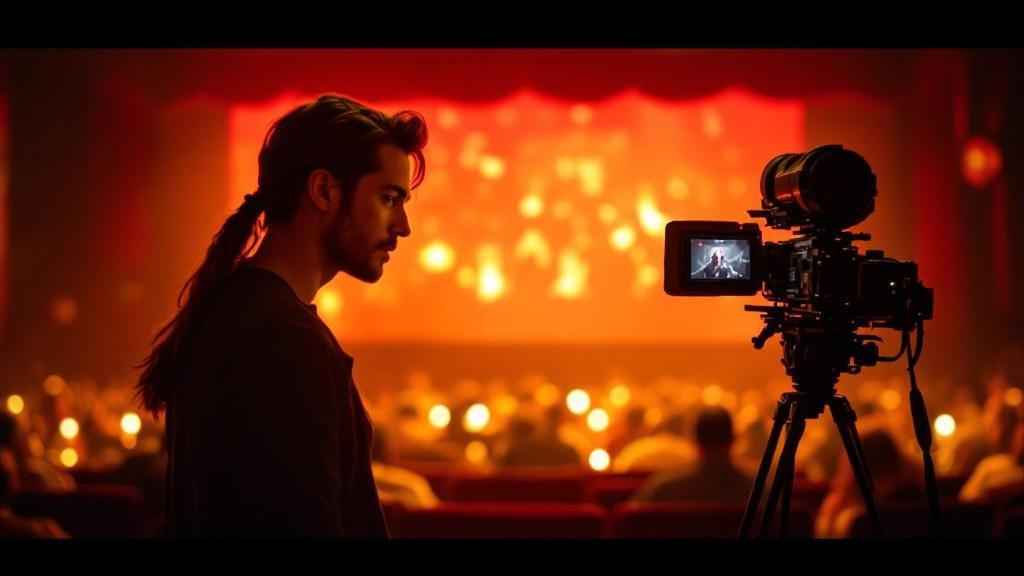
The theatre has undergone a significant transformation in recent years, as state-of-the-art cinematic techniques transform the way audiences engage with stories on stage. From immersive visual projection and digital scenery to advanced lighting systems and audio design, modern theatres are blending conventional theatrical craft with contemporary visual technology. This article explores how these creative methods are redefining theatrical narratives, strengthening emotional resonance, and producing unforgettable experiences that dissolve the lines between cinema and live performance, ultimately redefining what audiences expect from theatre in the twenty-first century.
The Evolution of Narrative Through Images
The progression of theatrical imagery in theatre has experienced major evolution over the last hundred years. From humble beginnings with backdrop designs and flame-lit theatres, theatrical presentation has transformed into a intricate combination of art forms. First advances brought in electric lighting and automated sets, dramatically reshaping how plots could be communicated. However, the real turning point occurred when theatrical artists began adopting motion picture methods, recognising that audiences’ expectations had altered substantially following decades of film exposure.
Contemporary theatres now harness advanced projection technologies that would have seemed unfeasible mere decades earlier. High-definition mapping systems produce immersive three-dimensional spaces that respond in real time to performers’ movements and dramatic beats. These projected imagery surpass mere ornamentation, becoming integral narrative devices themselves. Directors leverage these systems to collapse temporal boundaries, shift locations seamlessly effortlessly, and visualise abstract concepts that traditional stagecraft cannot express. The combination of live theatre with film-like accuracy has created fresh narrative opportunities.
This evolution reflects wider societal movements in how audiences consume information and enjoy performance. Digital natives demand sophisticated visual expression, whilst purists value the theatrical authenticity that cinema is unable to replicate. Today’s theatres effectively balance this equilibrium, utilising cinematic techniques to intensify audience emotion without reducing the incomparable dynamism of live theatre. This interplay between tradition and innovation has profoundly reshaped theatrical art for contemporary audiences.
Immersive Sound Design and Three-Dimensional Sound
Modern theatre productions employ sophisticated sound design systems that exceed traditional speaker-based sound. Spatial audio technology produces layered spatial sound fields, permitting sound to flow seamlessly around the auditorium, immersing spectators in immersive audio landscapes. This cutting-edge technique transforms how spectators perceive story components, causing dialogue, music, and effects feel authentically integrated within the performance environment rather than just broadcast from speakers.
The incorporation of Dolby Atmos and comparable immersive sound technologies has become increasingly prevalent in contemporary theatres. These technologies enable sound designers to locate audio segments accurately across the auditorium, featuring overhead channels that create impressive dimensionality. By utilising this technology thoughtfully, performances create affective engagement that amplifies dramatic beats, sharpens comedic delivery, and establishes atmospheric tension in ways traditional stereo systems cannot accomplish.
- Three-dimensional sound places sound across three-dimensional theatrical spaces effectively.
- Dolby Atmos technology enables precise directional and overhead audio positioning.
- Immersive soundscapes enhance emotional connection among actors and spectators.
- Sound design complements projected visuals for integrated sensory encounters.
- Advanced systems enable intricate story elements via sonic narrative methods.
Theatre sound engineers now work closely with directors and visual specialists to ensure audio supports visual elements without disruption. This cross-disciplinary collaboration understands that today’s audiences demand film-grade sound paired with refined theatrical presentation. Consequently, productions allocate considerable funding in audio technology, confirming theatres have suitable facilities for creating engaging soundscapes that rival cinema sound quality whilst upholding the immediacy and authenticity inherent to live theatrical performance.
Advanced Projection and Colour Grading Innovation
Digital projection technology has fundamentally transformed theatrical presentations, allowing shows to showcase breathtaking imagery sequences with unmatched sharpness and precision. Modern theatres now employ advanced projection systems capable of rendering complex imagery, vivid visuals, and seamless transitions that captivate audiences from the start. This innovation in technology allows directors to create immersive environments that enhance stage acting, converting performance spaces into dynamic canvases where cinematic storytelling merges seamlessly with stage conventions, enriching the complete storytelling journey.
Colour grading represents a essential innovation in contemporary theatrical design, offering technicians refined tools to control visual atmospheres and strengthen emotional impact. By methodically balancing hues, saturation levels, and contrast ratios, colour graders create distinctive moods that resonate with narrative themes and character development. This meticulous approach to colour management ensures that every scene maintains aesthetic harmony whilst producing specific emotional responses, allowing audiences to experience stories through a carefully curated visual language that intensifies dramatic tension and psychological depth throughout performances.
The combination of digital projection and colour correction has fundamentally altered viewer expectations relating to stage aesthetics and narrative quality. Theatrical works now leverage these technologies to produce visually stunning environments that compete with cinematic experiences whilst maintaining the irreplaceable vitality of live performance. This fusion of traditional theatre and contemporary film techniques demonstrates how innovation can improve rather than undermine stage artistry, establishing new standards for immersive entertainment that continue evolving as technology progresses.
